Homemade chili seasoning will give your chili that magical aroma that fills your kitchen with warming goodness down to your toes. While convenient to grab a pre-packaged chili seasoning blend, crafting your own balance of spice, depth, and flavor will elevate your chili to a whole new level. This guide will help you step by step to build your own chili seasoning. Let’s jump into it!
Why Make Chili Seasoning Yourself?
More Flavor and Better Freshness
Believe it or not, if you mix and blend your own spices and herbs to make your seasoning, you will improve the quality of your seasoning more than buying a pre-packaged one. Store bought seasonings can get stale and old, while homemade blends will always have freshness, bolder flavor, and better taste.
Control Over Ingredients
Store-bought chili seasoning mixes are often loaded with preservatives, anti-caking agents, and fillers like extra salt, MSG, and even artificial flavorings. Making your own seasoning mix gives you control and allows you to adapt the blend to specific dietary requirements. You can even tailor the seasoning to avoid certain allergens, remove sodium, go MSG-free, or make it completely organic.
Cost-Effective and Economical
One of the most significant advantages of making your own chili seasoning mix is the savings. Chili seasoning is mostly composed of basic spices. When you prepare many batches of seasoning mix from whole spices, you save significantly over the cost of pre-packaged mixes. A single seasoning packet can cost as much as the bulk spices needed to make multiple batches of chili seasoning, making it very economical to prepare your own chili seasoning mixes.
Customizable Heat and Flavor
Different people have varying preferences on the spice level. Some enjoy having a chili with a mild spice level, and others like to have a chili on the hotter side. If you make your seasoning blend, you have control over the heat level. You can add more of the cayenne to increase the spice or remove it from the blend for a milder seasoning mix.
Recognizing the Base Ingredients
The Foundation Ingredients
When seasoning chili, great care is taken to ensure that the foundational ingredients of the blend are properly measured. Each of the following provides a crucial component to the construction of the classic flavor that is associated with chili:
- Chili Powder: This is the main spice that holds the blend together. It is a little sweet, and has an earthy and deep flavor. It is also a blend of other spices, like the ones that are ground and dried, as well as some cumin, garlic, and oregano.
- Cumin: This is also a very important spice and is an essential component of the authentic chili taste. This warm, earthy spice provides some depth, and has a somewhat nutty flavor.
- Paprika: This is a good coloring agent, and also gives a mild sweet pepper taste.
- Garlic Powder: This enhances the overall flavor, and provides a rich aroma without overpowering the other spices.
- Onion Powder: This also sweetens the blend a little, and provides some depth.
- Oregano: This gives some bitterness that is slightly earthy, and fills the other spices that provide richness. For authentic taste, it is recommended to use Mexican oregano.
- Cayenne Pepper. This is where the heat factor comes in. Cayenne gives a particular, intense spiciness that can be modified to suit your taste.
Understanding Heat Levels
Peppers and spices are effective at producing heat. Understanding the heat levels they provide will help you customize your blend:
- Mild: Use only paprika and chili powder. Cayenne should be omitted.
- Medium: More spice is added. Use 1/4 to 1/2 teaspoon of cayenne pepper.
- Hot: Use 1 teaspoon or more of cayenne pepper.
- Extra Hot: Use crushed red pepper flakes or ghost pepper powder.
Main Ingredients for Chili Seasoning
Main Components
Here is a sample of classic chili seasoning ingredients:
- Chili Powder: 4 tablespoons (main taste base)
- Ground Cumin: 2 tablespoons, warmth and depth
- Paprika: 1 tablespoon, your choice of regular or smoked
- Garlic Powder: 1 tablespoon, savory notes.
- Onion Powder: 1 tablespoon, a touch of sweetness
- Dried Oregano: 1 teaspoon. Use Mexican oregano if you have it.
- Cayenne Pepper: 1/2 teaspoon. Use more or less depending on your heat preference.
- Salt: 1 teaspoon. This can be eliminated or reduced.
- Black Pepper: 1/2 teaspoon. This adds a touch of heat and peppery taste for a background flavor.
Extras
These are some nice ideas to spice up your seasoning:
- Smoked Paprika: Substitute regular paprika for a smoky flavor, this generates a barbecue flavor.
- Chipotle Powder: For smoky heat add 1/2 teaspoon.
- Coriander: Add 1/2 teaspoon for a floral and citrusy zest
- Cinnamon: Add 1/4 teaspoon for subtle warmth (perfect for Cincinnati-style chili)
- Cocoa Powder: Add 1/2 teaspoon for richness and depth (Mexican-inspired)
- Brown Sugar: Add 1 teaspoon for a touch of sweetness
- Mustard Powder: Add 1/2 teaspoon for a tangy kick
- Crushed Red Pepper Flakes: Add for heat and extra texture
Chili Seasoning Recipe
Ingredients
- 4 tablespoons chili powder
- 2 tablespoons cumin (ground)
- 1 tablespoon paprika (regular or smoked)
- 1 tablespoon powder garlic
- 1 tablespoon onion powder
- 1 teaspoon oregano (dried)
- 1/2 teaspoon cayenne
- 1 teaspoon salt
- 1/2 teaspoon pepper (black)
The Instructions
Step 1: Get Your Spices
To start, collect all of your spices and measure them out. Use fresh spices for the best, most flavorful outcome. If your spices have been in your pantry for over a year, consider replacing them, as older spices lose potency, and the flavors will be lacking.
Step 2: Combine the Spices
In a medium-sized mixing bowl, add all the measured spices. Combine the ingredients with a whisk or fork. Be sure to eliminate any clumps and evenly distribute the spices throughout the mixture.
Step 3: Mix Until Uniform
Continue mixing for about 1 to 2 minutes. The blend should obtain a uniform color and texture throughout. The mixture should look consistent, with no visible pockets of individual spices.
Step 4: Taste and Adjust
Take a small pinch of the seasoning and have a taste. This is your opportunity to adjust the balance of the blend to your liking. To add more heat, add more cayenne, or for more smokiness, a bit more smoked paprika. For more depth, add more cumin.
Step 5: Store or Use
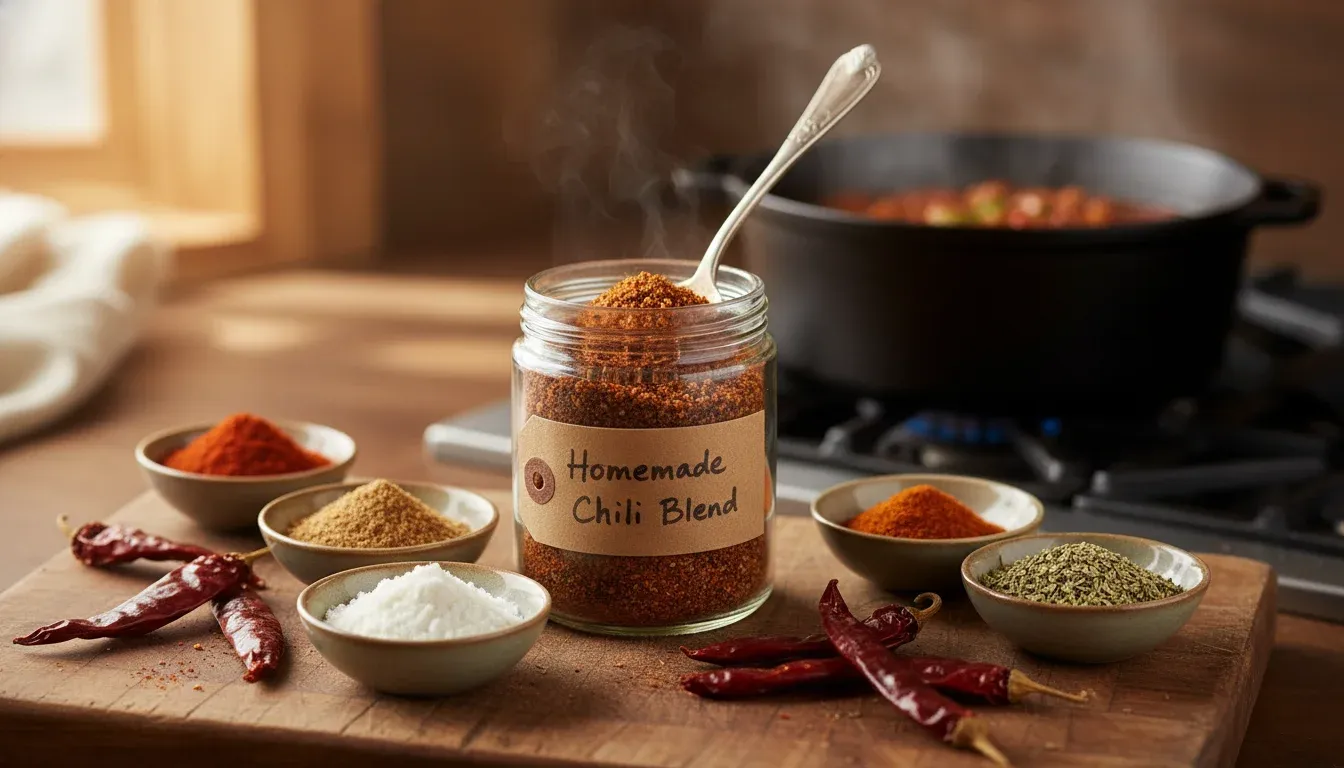
With a spoon, transfer the seasoning to an airtight container, like a glass jar with a lid. Write the date on a label and affix it to the jar. Your chili seasoning is ready to use or store for later.
How Much Seasoning to Use
When preparing a standard batch of chili that will serve around 6 to 8 people, a good starting point for the seasoning would be 3 to 4 tablespoons of your spice blend. You can find your ideal proportions as you become more familiar with your spice blend.
Variations of Chili Seasoning
Smoky Chipotle Chili Seasoning
If you would like your chili seasoning to be more smoky with a moderate level of spice, you can make the following changes to the above recipe:
- Replace the regular paprika with smoked paprika
- Add 1 teaspoon of chipotle powder
- Decrease the cayenne pepper to 1/4 teaspoon
This variation of the recipe is good for beef chili or any chili that is a barbecue style chili.
Mild Family-Friendly Chili Seasoning
If you want to create a spice blend that is more suited for children and adults that are sensitive to spice:
- Omit the cayenne pepper
- Use sweet paprika instead of the regular paprika
- Add 1 teaspoon of brown sugar for a touch of sweetness
- Decrease the black pepper to 1/4 teaspoon
This blend has the classic chili flavor and is great for any family style chili.
Spice Combos for Texas-style Chili
Consider the following spice modifications for Texas-style chili:
- Use 3 tablespoons of cumin
- Add 1 tablespoon of Ancho chili powder
- Add 1/2 teaspoon of coriander
- Use 1 teaspoon cayenne
- Omit the oregano
Texas chili is distinguishable in its boldness, cumin, and coriander, making it meaty and spicy.
Spices for Chili with Mexican Fusion
Consider the following options for a chili blend with Mexican flavors:
- Use Mexican oregano, which is more herbal, as a substitute for your regular oregano
- Add 1/2 teaspoon of cocoa powder
- Add 1/4 teaspoon of cinnamon
- Add 1/2 teaspoon of coriander
- Use 1 teaspoon of chipotle powder
These options help to generate an optimum spice blend and complexity to your chili, capturing the essence of traditional Mexican chili.
Chili Spices without Added Salt
For those with concerns regarding salt intake, consider:
- Omit salt out entirely
- Use 1.5 tablespoons of garlic powder
- Use 1.5 tablespoons of onion powder
- Add 1/2 teaspoon of lemon pepper (make sure it’s salt-free)
The additional onion and garlic help to substitute for the missing salt.
Suggestions on How to Perfectly Season Your Chili
Use New Spices
The spice’s quality will represent the quality of the seasoning. If the spice jar is odorless when opened, the spice will expired and should be replaced.
Optional Toasting of Spices
Toasted spices are more aromatic. Toast whole spices on a dry skillet over medium low heat for 1 to 2 minutes. Be careful, you do not want burned spices. Spices are made of essential oils, toasting speeds up the release of the oils and increases the more subtle spices’ strength.
Quality Over Quantity When Buying Chili Powder
Chili powder is not made equally, avoid powders with a lot of fillers and buy powders made of pure ground chili. The Ancho, Guajillo, and New Mexico powders are great for that low key, authentic seasoning.
Mix in Smaller Portions
This is more about the spice level in the batch rather than the size of the batch. Smaller size batches last longer in terms of spice level, and allow you to add more seasoning to the chili than older spice blends would.
Container Labeling
Make sure to label your homemade seasoning containers with the seasoning name and the date you made it. This allows you to track its freshness and know when you need to create a new batch.
Modify to Your Preference
The provided recipe is simply a guideline. Different people have different tastes. Play around with the ratios to find your ideal mix. Write down the changes you make so you can replicate your preferred version.
Proper Storage of Chili Seasoning
Room Temperature Storage
Your homemade chili seasoning can be stored in an airtight container. This can be a glass jar with a lid that seals tightly or a sealed container that is designed for spices. Store the seasoning in a place that is cool, dry, and dark. This could be a pantry or a cabinet that contains your spices. Do not store the seasoning near a stove or in a place that receives direct sunlight. Heat and sunlight can make spices lose their potency, so your seasoning will be best when stored properly for a period of 6 months to a year.
Indicators of Expired Seasoning
In addition to not being an outright danger to your health, chili seasoning is also unlikely to spoil. However, it does infuse an expiring seasoning with a number of observable indicators. Some indicators include:
- Discoloration
- A scentless or muted smell
- A lack of taste when sampled
Storing In Smaller Portions
If you are making large numbers of seasoning, it may be beneficial to separate the seasoning into smaller containers. That way, you can maintain the integrity of the bulk of the seasoning.
Innovative Applications for Chili Seasoning
More Than Just Chili
Chili seasoning may be used for a variety of different meals. Here are some suggestions for non-chili recipes that will benefit from your chili seasoning:
- Taco Meat: For spike ground beef or turkey taco filling, add two tablespoons to every pound.
- Chili Roasted Nuts: Toss mixed nuts with olive oil and chili seasoning, then roast at 350 degrees for 10-15 minutes.
- Grilled Meats: Apply a rub to skirt, chicken, or pork before grilling. For a smoky, spicy crust, apply a rub to skirt, chicken, or pork before grilling.
- Seasoned Fries: Unbaked French or sweet potato fries for a spicy blend.
- Chili Popcorn: The only thing you might add is a sprinkle of butter.
- Roasted Vegetables: Oil and season this blend with your choice of prepped and chopped sweet potato, bell pepper, and corn.
- Bloody Mary Rim: Mix with salt and use rim martini glasses to make a lip smacking Bloody Mary a tad spicy.
- Chili Mac and Cheese: Mac and cheese is bland, add chili seasoning to taste!
- Soups and Stews: Beef stew: ladle in a portion of the seasoning to the depth of flavor you want.
- Chili Cheese Dip: Stir around in a bean cheese dip, or a chili cheese sauce for a cheese sauce for nachos and hot dogs.
Questions You May Have
How much chili mix made at home is equivalent to chili mix from the store
You can’t rely on store packets because each one has about 1 to 1.5 ounces of seasoning, which boils down to around 2-3 tablespoons. You can use that as a benchmark with your home mix to start from.
Is chili seasonings without chili powder possible?
Of course, it’s possible, but the flavor is less chilly and stronger with little taste spectrum to it. You can have a… a specific combo of a lot with a base of paprika, maybe cumin, and then a tad of cayenne pepper. But it’s missing the taste spectrum that chili powder brings.
Are taco seasoning and chili seasoning the same?
The ingredients are not the same, even if they share some similarities. Both share the same base ingredients that include cumin, chili powder, and garlic powder. However, taco seasoning will tend to include more of the base ingredient of cumin, and also include more complex ingredients like sugar and coriander. In comparison, chili seasoning tends to be more straightforward and often more focused on the heat.
Can I use fresh garlic instead of garlic powder?
In a seasoning blend, no you cannot use fresh garlic instead, because of the moisture content which will cause the entire blend to spoil. However, in chili, you can use fresh, minced garlic.
How can I make the seasoning less salty?
You can just reduce the amount of salt, you can also make the chili and add salt to taste.
Conclusion
It is worth spending the time to make chili seasoning yourself. It is better than the store-bought alternatives, costs less, and will save you money in the long run. You will very likely have the majority of the ingredients required to make it yourself at your home already. You can make an infinite combination of your favorite flavors, and as a bonus, you can tailor it to your heat tolerance. Once you make homemade chili seasoning, you will want to keep it stocked.
For More Updates
Visit our website to discover additional homemade spice blends and seasoning recipes, along with helpful cooking tips to enhance your creations in the kitchen.