While Tehran has signaled some openness towards further negotiations around nuclear deals with the US, the Iranian regime has steadily increased the arrests of perceived critics, including reformist political figures, and activists, following the recent protests that occurred all over the country. This two-pronged approach of tightening control domestically and leaving a diplomatic flank shows the kinds of dilemmas Iran’s decision-makers endure.
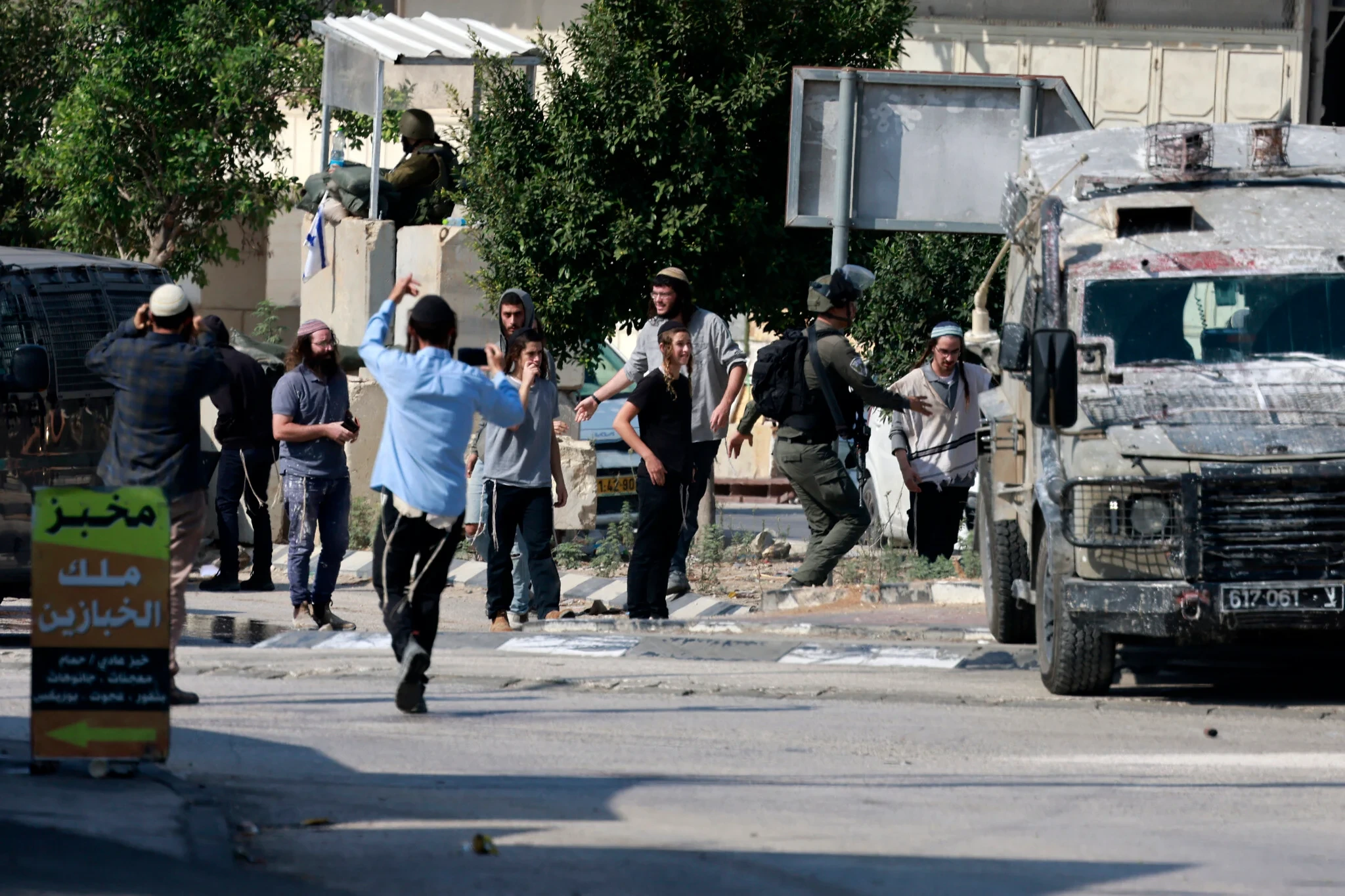
Detention of Iranian reformist political figures and activists has also seen the arrest of a number of persons tied to protests. Just recently, Iranian authorities captured Javad Emam, a spokesperson for the Iranian reformist coalition, and other members of the Iranian reformist coalition. Over the recent protests, the authorities have labeled the unrest Iranian-cause unrest and described it as riot and disruptive unrest. It caused by many other foreign opponents, particularly Iran’s arch enemy the US and its friends, including Israel.
Targeting The Reformist Figures
Several news sources state that the Iranian Revolutionary Guard has imprisoned numerous Iranian reformist political figures. The Revolutionary Guard also arrested Emam. Reports state that among the cultural activists whom the authorities detained are members of the reformist coalition. The authorities also detained Hossein Karoubi, son of longstanding opposition leader Mehdi Karoubi.
The detentions show the government trying to limit politically organized dissent following unrest that questions the government’s legitimacy and tests the government’s ability to keep order. Reformists have historically advocated for changes in the political system and have done so legally through voting and political participation. They have historically encountered state resistance, political restrictions, and arrests, particularly in periods of political instability.
Supreme Leader Calls For Tougher Stance Towards Foreign Interference
Iran’s Supreme Leader, Ayatollah Ali Khamenei, while addressing a gathering of the country’s top military commanders stated that when fully prepared, a nation’s greatest strength is its will and determination. Khamenei’s comments about unrest and mentions of protests was almost exclusively about foreign enemies. This is a classic and traditional explanation used by the Iranian regime, and given the historical context, reinforces the idea of state control.
This goes hand in hand with the state’s position that justified unrest as a foreign conspiracy and not as a result of purely internal issues.
With Arrests at Home, Iran Opens the Door to New Nuclear Talks
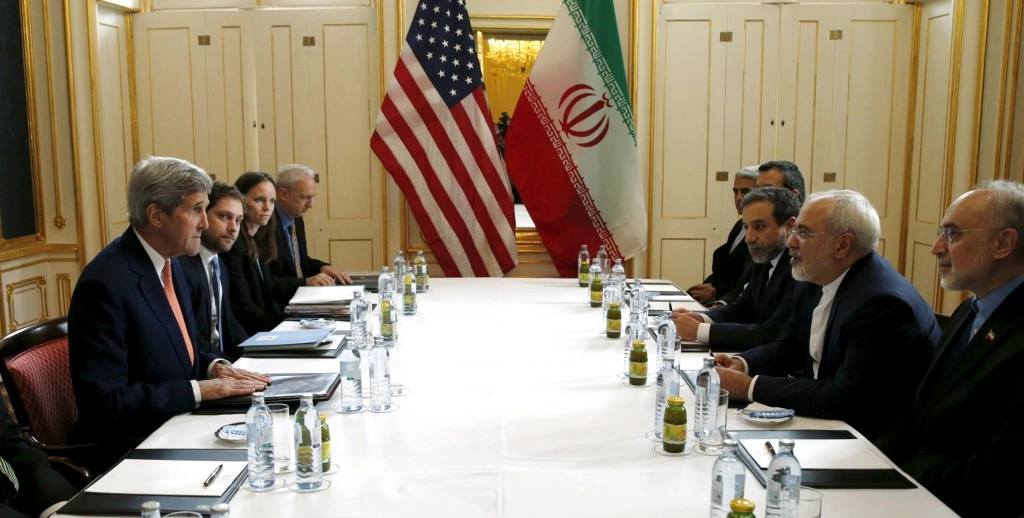
As arrests rise in Iran, the country has also left the door open for renewed nuclear talks with the United States. After talks in Oman, which both sides have described as constructive, Iranian officials show some flexibility regarding Iran’s highly enriched uranium.
Mohammad Eslami, Iran’s atomic agency chief, suggested that it may be possible for Tehran to dilute (or “downblend”) uranium that has been enriched to 60%, which is close to weapon’s grade, if sanctions are lifted. He noted that Tehran would make no concessions on enrichment without sanctions being lifted. However, it is unclear if Tehran is only considering US nuclear related sanctions, or all international economic sanctions.
“Downblending” is when enriched uranium is mixed with other materials to dilute the enrichment. This is a long and complicated task to bring the uranium back to weapons grade. Iran asserts that they have a right to enrich uranium for civilian purposes, while the US, Israel, and many Western countries are still doubtful.
US Issues Go Beyond Just Nuclear Talks
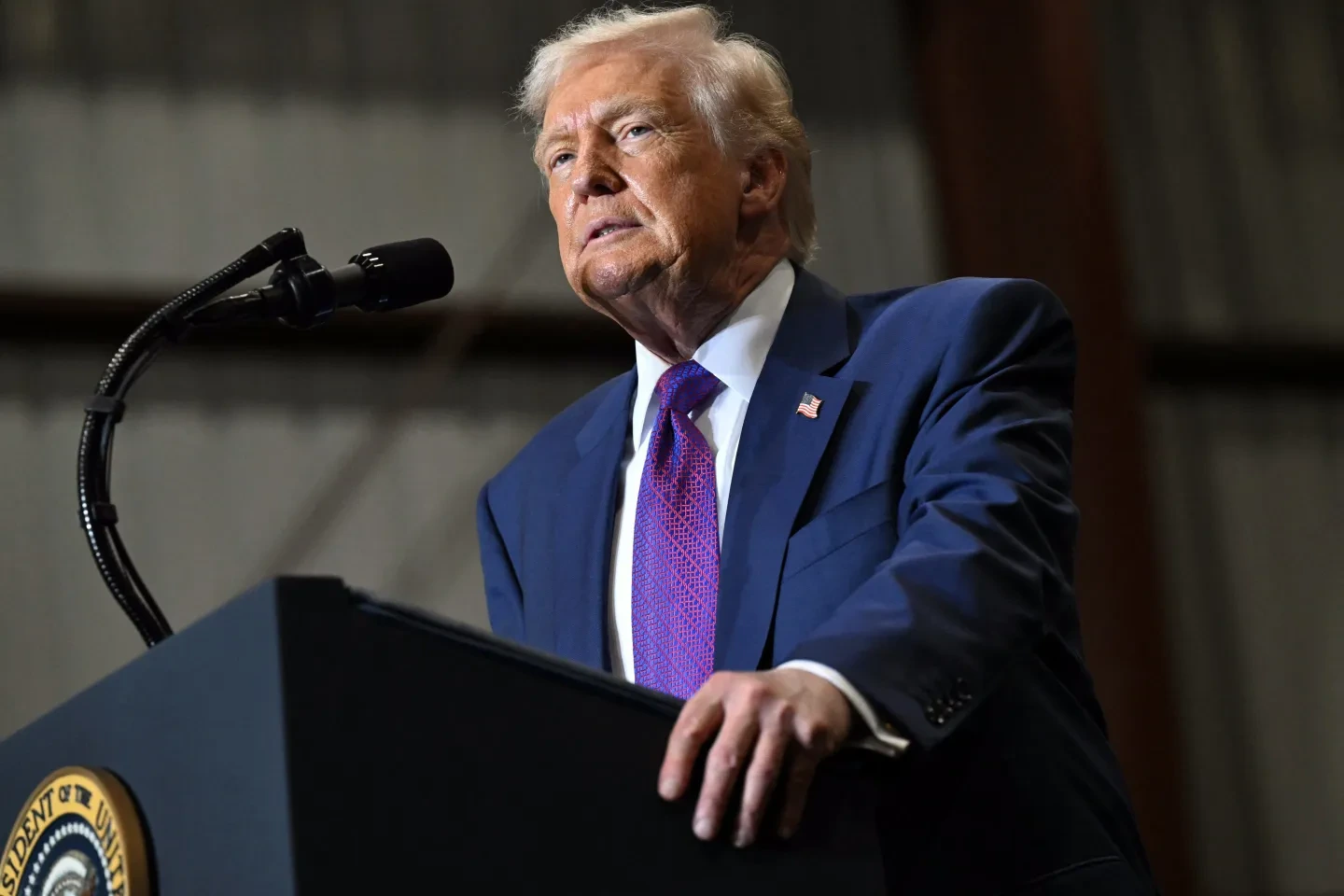
While the nuclear program talks in Oman were the main focus, for both Washington and Israel. These conversations were also about containing Iran’s ballistic missile capabilities and regional military assistance, which Tehran has always fought to keep off the agenda. The Iranian officials in talks with other regional counterparts have termed them a “good start” but underscored the importance of a decrease of trust deficiency and clarity of US objectives.The second round of negotiations has been confirmed.
Iran’s Focused Enforcement of Law Contradicts Legal Principles of Human Rights.
Following the sentencing of dissenters, Iran’s enforcement of laws is focused and deliberate. Narges Mohammadi, a Nobel Peace prize winner. He has received an additional sentence, and faces multiple charges related to national security and “propaganda” against the state. Mohammadi has spent the majority of the last decade in prison, as a result of her activism against the death penalty and against her being forced to wear a head covering.
There is also a growing pressure on reformist leaders. Reports of the arrests of members of the leadership of the Reformist Front coalition, have been reported. The reformist front has been a dominant facilitator in electoral politics and is known to have supported President Masoud Pezeshkian in the 2024 presidential elections.
Disputed Toll of Deaths Caused by Protests.
Iranian officials stated that they received a list of names of thousands of people who died as a result of terrorism. They stated that among these names were many security personnel and innocent bystanders. Human rights groups say that the Iranian government has posted figures for the number of deaths and have recorded over 30,000 arrests. This means that the death rate is higher than what the Iranian government is saying.
These numbers along with the reports are another example of how the Iranian government keeps their laws and reports secret. The Iranian government keeps reporting and journaling independent of the government, and has even more control over all of the country. O เวญ 6q. 3. 5r
What are the Possible Outcomes With This Two-Track Strategy?
Iran’s leadership seems to be balancing two immediate priorities:
- Control internal unrest by arresting people seen as being able to organize dissent.
- Engage in limited diplomacy to manage the risk of direct confrontation with the US and the need to alleviate sanctions pressure economically.
The progress of nuclear talks will likely depend on the sanctions relief. Iran’s capacity to offer limits on enrichment, and Washington’s fixation on the larger security concerns. The ongoing mass arrests are likely to elicit further public anger regardless of the fact the government seems to be projecting control and strength.
For More Updates
Visit our website.