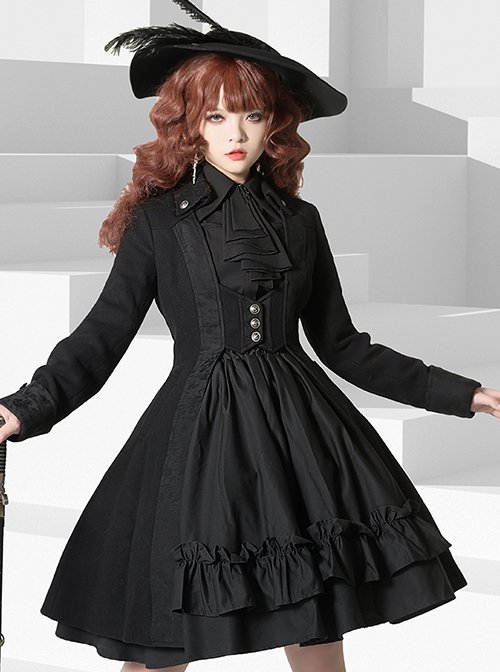
Introduction to Ouji Fashion
Ouji Fashion is a meticulous street style that combines European aristocratic menswear with Japanese tailoring and modern design. Ouji Fashion is unique as it takes and remakes old style prince attire into modern, fully accessible, and wearable forms. In the last few years, Ouji Fashion has captured the world with its craft based structure, elegant style, depth of layers, and many layers of expression. Fashion lovers enjoy the style as it encapsulates sophistication, the expression of the individual, and the creativity of the wearer all combined in one look or outfit.
Ouji is the Japanese word for prince. The style of ouji has a look for young nobles of the Victorian/Rococo period, with modern reinterpretations that include new fabrics, new color palettes, and a focus on personal expression. While the style developed with Lolita Fashion, it has become a sub-genre in its own right, and is a proud and respectable part of the alternative fashion communities.
Historical Background and Cultural Influences
Ouji Fashion is heavily influenced by 18th and 19th European aristocratic styles of dress. Young noble boys of that period dressed in fitted blouses, knee-length breeches, and tailored jackets. Japanese street designers drew from these silhouettes to create modern streetwear looks that fit with urban style.
The origins of ouji fashion lie within the innovative street culture in Harajuku, Tokyo. In the late 1990s and early 2000s, many young designers and fashion enthusiasts started to play with styles inspired by historical revivals. While Lolita fashion accentuated the doll-like and feminine styles, ouji fashion was more focused on the aesthtic of soft fabrics and more princely and structured tailoring. As time went on, ouji fashion distinct itself as something more than just a counterpart to lolita fashion.
In the realm of fashion, ouji styles symbolise the ability of the individual to expres themself, and to add the complexity of elegant and structured clothing, to their complement to the essence of the fashion ouji movements. This inclusivity, in turn, has aided the international growth and popularity of the ouji movement, persuasively.
Core Design Philosophy
The primary components of ouji fashion is the structuring, refinement, and foundation, and most importantly, a strong story. Designers put in great detail the overall silhouette and proportion of the outfit to create a harmonised and finished look. Each piece is designed to play a particular role in depicting the outcome.
The foundation of ouji fashion is tailoring. Ouji-style jackets fit the wearer perfectly, and designers often enhance them with embellishments, embroidery, and refined artistic details. Tailors construct the vest to add depth and dimension, while knee-length trousers create a distinct and recognizable silhouette. Instead of relying on relaxed or oversized shapes, ouji fashion embraces clean lines and intentional construction to define its structure.
The role of detailing is equally important. Ruffled collars, lace detailing, jabots, and cravats add visual interest without competing with the overall structure. Brooches, pocket watches, gloves, and hats add the finishing touches to the story of aristocratic elegance. That said, there is a sense of professionalism in styling as a result of avoiding over embellishment.
Substyles within Ouji Fashion
While ouji fashion has a common prince-inspired theme, there are multiple ideas within the style.
Classic ouji is the most straightforward, working with a palette of muted colors. These may include; navy, ivory, brown, and burgundy. This variation is the most historical European in influence, and it is the most timelessly elegant.
Gothic ouji is a style that introduces darker tones like black, deep red, and charcoal. This rendition tends to reflect something of Gothic fashion, in the sense that it uses a lot of drama, strong detail, and maintains a tailored structure.
Sweet ouji uses lighter fabrics and pastel colors which helps soften the look. This style has youth and a gentle princess vibe, and of course, it is structure.
Steampunk ouji uses some mechanical elements in the form of prints along with some antique-inspired accessories that are Victorian. This style, along with the mechanical touches, creates a tailored look with an industrial twist.
Within each of the substyles, the main structure of ouji fashion is retained, allowing for individual expression.
How to Build a Professional Ouji Outfit
To create a professional ouji outfit, coordination is key. Start with a good quality blouse with a detailed collar or some lace trim, and then add a waistcoat to create some structure. Choose knee-length trousers in a color that complements your outfit and ensure they are properly tailored. Then complete the look with a fitted jacket to add sophistication and maintain balanced proportions.
Your shoes or boots are going to create and aristocratic impression, so make sure to keep them polished and structured. When picking accessories, try to choose a few statement pieces to make a larger impact, and try to avoid a large amount of decoration. In this case, styling with a greater amount of pieces does not give a greater impact.
When picking the fabric to create your ouji outfit, try to stick with velvet, wool blends, cotton twill, and brocade fabric for your trousers. Better quality fabrics are going to make your outfit look a lot better, and in the case of the construction of the outfit, the better it is, the longer the outfit is going to last and the more visually appealing it is going to be.
Modern Appeal and Global Growth
Ouji fashion is unique and provides a great appeal to those looking for something that is not in the mainstream. The style offers a way of dressing elegantly that does not require to fall into the gendered expectations of dressing. The growth of social media has massively increased the visibility of this style to a point that has allowed for the unevenness of social media and the internet to create a worldwide community for this style and the coordination of outfits.The combination of modern street style with historical romance makes ouji fashion particularly enjoyable for many enthusiasts of street style. The designed structure of these garments allows for creative photographs to be taken of the outfits, while also exuding confidence and individuality. The ouji fashion world continues to develop and evolve with the modern use of designer cuts and sustainable fabrics while keeping the essence of the historical background intact.
Comparison of Ouji and Lolita
The historical nature of their origin means ouji fashion and Lolita fashion have similarities. The two, however, diverge in presentation and silhouette. A doll-like appearance and large, full skirts that create a rounded shape are a feature of Lolita fashion, while ouji’s more structured and less rounded appearance comes from the use of prince-like inspired structured garments. Whilst both styles influence the Victorian era, ouji fashion is more focused on an androgynous and aristocratic masculine style as opposed to an overtly feminine style.
Many people often misunderstand where ouji fashion fits because they associate it with other styles, which makes understanding its unique identity especially important.
Practical Beginner Styling Tips
For beginners, instead of having lots of garments, having a few good quality pieces is going to be better. Additionally, choose garments in muted or subtle colors to create a versatile capsule wardrobe, and ensure each piece fits perfectly, especially when tailored or altered for the desired ouji fashion look.. The aim of the outfit should not be to create a mishmash of styles, and be sure to maintain a good balance between decorative elements and bare clean lines.
Although not always mentioned, maintaining proper posture and a confident attitude strongly enhances the ouji fashion style. The communication of elegance encourages wearing the style with poise that enhances the presentation, and then also reinforces the princely persona that is the epitome of the style.
The Future of Ouji Fashion
Ouji fashion’s future looks bright as more alternative fashion communities pop up around the world. It is also important to note the future of the fashion industry as it is increasingly using ‘slow fashion’, ‘sustainable’ and ‘eco-friendly’ terms to market the use of natural materials and other more sustainable means for the end product, which also includes the use of modern tailoring techniques and the inclusive philosophy of ouji fashion. The fashion industry is increasingly adopting gender-neutral tailoring for commercial purposes, and this shift strongly aligns with the principles and aesthetic of ouji fashion.
It is also evident that as fashion continues to evolve towards self-expression and individuality, ouji fashion is still highly relevant. It also has a richly artistic history and inclusive identity, combining cultural movements to modern street style and fashion.
Conclusion
Ouji fashion is the perfect blend of Japanese street style and European aristocratic inspiration. The combination of tailored silhouettes, ornamental details, and well thought out layered clothing allows for the creation of a whole new silhouette supporting the prince aesthetic. The style of fashion being more inclusive for everyone to wear challenges norms pertaining to gender and encourages more people to engage in self-expression creatively.As more people around the world adopt alternative and structured fashion, ouji fashion creates a distinct space for individuals to express elegance and personal identity with confidence.
FAQs
1. Is ouji fashion suitable for everyday wear?
Yes. Many enthusiasts adapt ouija fashion into semi-formal or smart-casual outfits by simplifying layers while maintaining structure.
2. Does starting ouji fashion require high-end clothing?
You do not need high-end designer labels, but for an authentic look, good tailoring and fabric quality should be priorities.
3. Is ouji fashion connected only to Japanese culture?
Yes, ouji fashion originated in Japan, but it draws inspiration from European history and is now embraced and celebrated by fashion enthusiasts worldwide.
4. Is ouji fashion for women?
Yes. Ouji fashion is for everyone and is meant to be self-expressive.
5. What is the difference between ouji fashion and gothic fashion?
While ouji fashion is centered around prince-inspired, tailored looks, gothic fashion is more so focused on dark themes and more striking and dramatic elements.