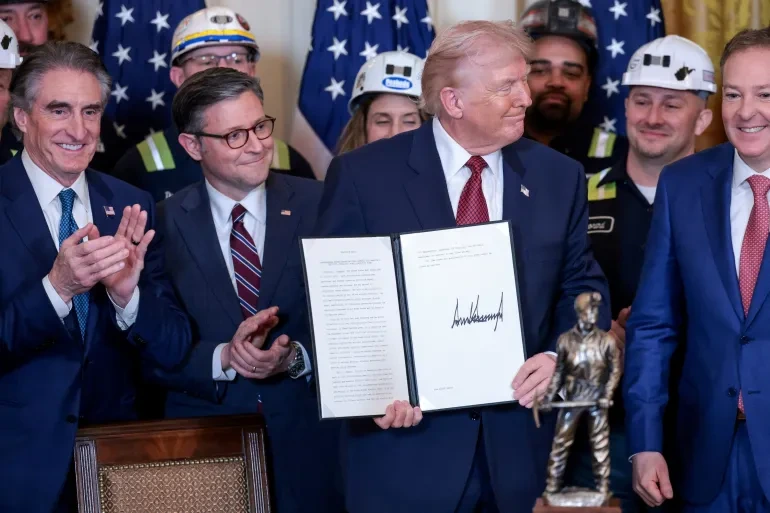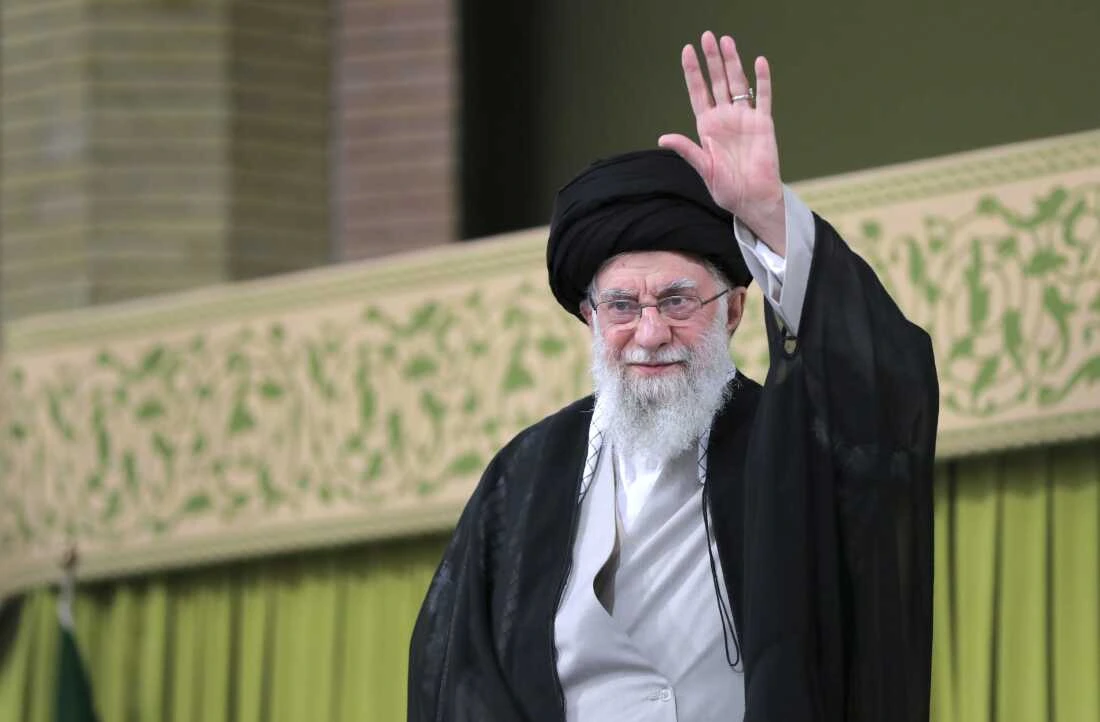
Ayatollah Ali Khamenei was the highest authority of the Islamic Republic for the last 36 years of his life. His reign ended this week after significant military strikes in Tehran. On Saturday, President Donald Trump announced the death of Ayatollah Ali Khamenei. Trump described him as a prominent figure in the history of Iran, a major player in a global crisis for decades. He was always at the center of the collusion of religion and politics. He was a guardian of the 1979 revolution until the end.
Ayatollah Ali Khamenei came from a poor family and rose from powerlessness to the pinnacle of power, building Iran’s military and shaping its system of state capitalism. In the last almost 40 years, the world has been thinking about the legacy of Ayatollah Ali Khamenei.
Early life and revolutionary roots
Ayatollah Ali Khamenei was born on the 19th of April 1939 and spent his childhood in the religious city of Mashhad. His father was an Islamic scholar. The family lived in a religious but poor home. He described life in Mashhad as a hard struggle and recalled that his family sometimes ate only bread for the entire day.
He began religious schooling at a young age. When he was 18 years of age he departed for Iraq. He entered the famous seminary of Najaf and returned shortly after to Iran to study in Qom. In Qom, he met his mentor Ruhollah Khomeini and started activism against the King of Iran (the Shah). This activism was the cause for numerous arrests. Ali Khamenei was tortured by the secret police during his detention. In 1981, a bomb blast paralyzed his right arm forever.
The Increasing Authority of Ayatollah Ali Khamenei
The 1979 Revolution brought many notable individuals to the forefront, but few as prominent as Ayatollah Ali Khamenei. He was President of Iran from 1981 to 1989, during which time the country was embroiled in a lengthy and bloody conflict with Iraq. Upon the death of Khomeini in 1989, few thought that Ayatollah Ali Khamenei, then a mid-ranking cleric, would take over.
Contrary to these assessments, Ayatollah Ali Khamenei was able to gain the backing of other influential clergy. As such, he became the 2nd Supreme Leader of Iran. Over the next 30 years, he was able to masterfully consolidate control and put himself at the head of every national institution. Both the civilian political apparatus as well as the military were subordinate to him. He became the single source of authority.
Ayatollah Ali Khamenei and the Revolutionary Guards
Most of his legacy rests with the Islamic Revolutionary Guard Corps (IRGC). He was able to transform the force into a behemoth, and as a consequence, the Guards are now in charge of Iran’s ballistic missile program as well as military intelligence.
During the reign of Ayatollah Ali Khamenei, the IRGC assumed command of the economic activities of the organization, resulting in the consolidation of several billion-dollar services. This helped to build Khamenei’s inner circle which aided in the anti-regime movements domestically and externalized Iranian ideology in the Middle East, establishing the ‘Axis of Resistance’ in Lebanon, Gaza, and Yemen.
Foreign Relations Theories of Ayatollah Ali Khamenei
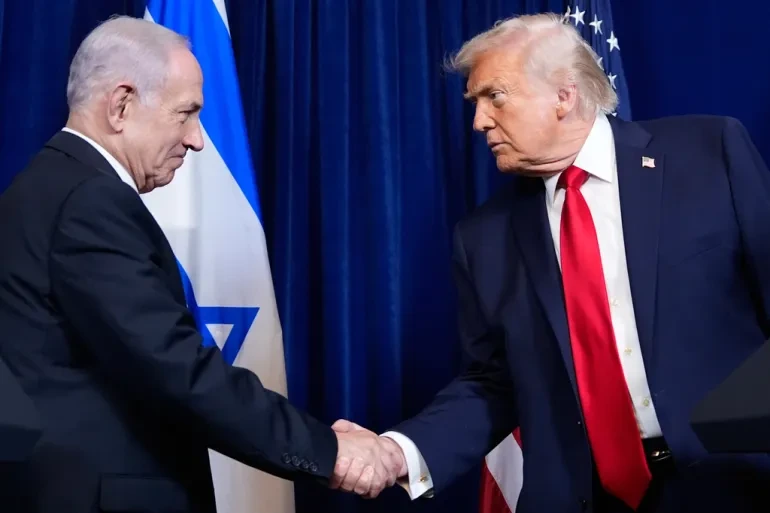
Khamenei’s foreign relations theories displayed an unwavering distrust toward the West, and more specifically the United States, whom he routinely referred to as the ‘Great Satan’. Khamenei, however, demonstrated some degree of flexibility in 2015 when he allowed the signing of the nuclear agreement that was to result in the lifting of sanctions against Iran.
With the United States withdrawn from the agreement in 2018, the relationship soured. Khamenei’s subsequent comments reflected an even greater degree of hostility, stating that the West was to be trusted not even a little. This type of extreme attitude toward the West resulted in years of so-called ‘shadow wars’. Khamenei’s refusal to stop uranium enrichment also resulted in a host of sanctions which ultimately led to the crippling of the Iranian economy.
The Final Crackdown- Ayatollah Ali Khamenei
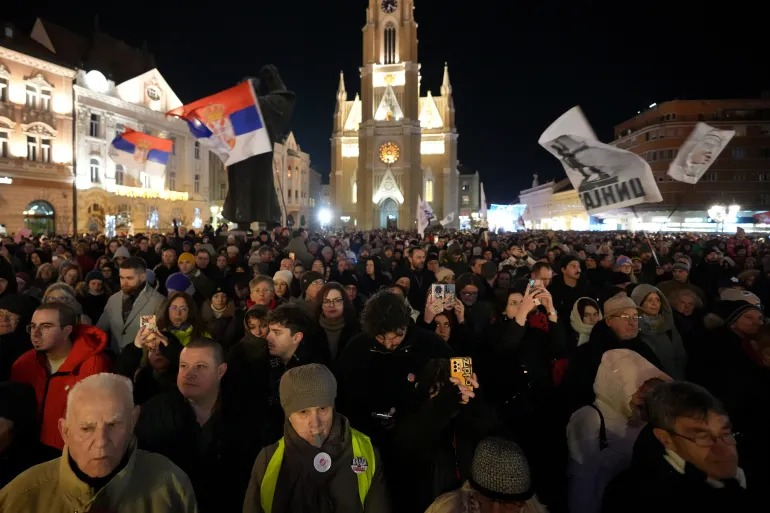
The most significant challenge to Ayatollah Ali Khamenei happened recently. Protests began in the Tehran bazaar due to economic hardship. These protests escalated into a nation-wide movement. Protesters called for the end of the clerical regime.
He responded with extreme force: he publicly labeled the protesters “rioters” and ordered a total internet blackout across Iran. Security forces used immense firepower to stop the crowds.
An Uncertain Future Without the Supreme Leader
The passing of Ayatollah Ali Khamenei has created an enormous power vacuum. There will be a new selection of a Leader of the Islamic Republic by a panel of clerics. Some analysts cite the possibility of his son assuming the position. Others predict a violent conflict. The Revolutionary Guard may attempt to assume direct governing control.
For the first time in history, Iran has a choice to make. Protesters want a new future, loyalists want a new system. The history of Ayatollah Ali Khamenei will be written in countless volumes. He created the nation he ruled with revolutionary fervor. With his passing, the Islamic Republic is likely to be very unstable.
For More Updates
To keep up to date with the latest on global relations, please check our website