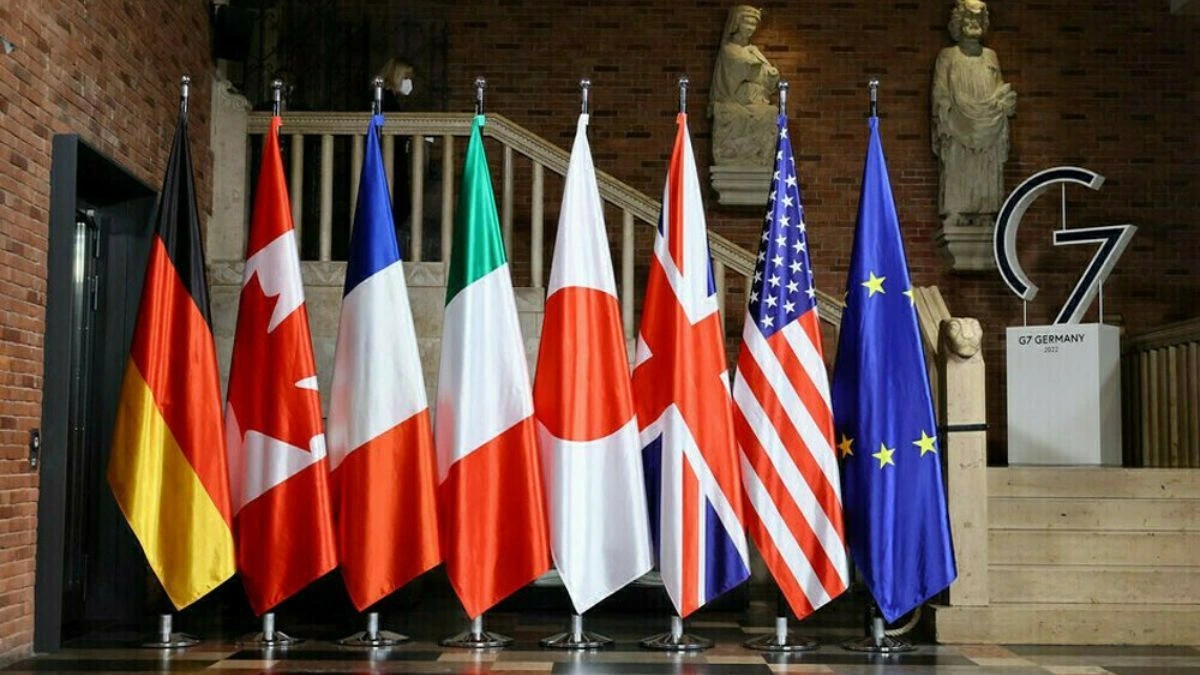
Last week, G7 leaders announced that they would be taking measures for the current crisis occurring in the Middle East. As a result, G7 support energy supplies plans have become a top priority for these world leaders. Due to the regional conflict, there is a significant spike in the price of crude oil. As of Monday, analysts reported Brent crude costing nearly $120 a barrel due to concerns of supply disruption.
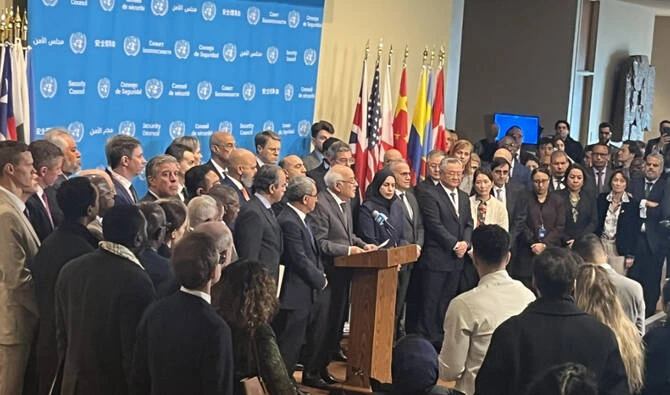
G7 Finanace ministers spoke virtually with the International Energy Agency (IEA) regarding the G7 support energy supplies initiative. Ministers addressed the issue of potential market calm from the release of strategic oil reserves, however, no agreement was made. Despite that, the group of ministers provided a statement of readiness. With the release of oil reserves, the G7 support energy supplies initiative seeks to shield consumers and businesses from the impact of inflation.
Hostility in the Region Impacts the Decline of Oil Markets
Fatih Birol, leader of the IEA, stated that the condition of the global oil market continues to deteriorate. Since then, there have been reports of the complete halt of oil transportation within the Strait of Hormuz. This particular body of water normally encompasses one-fifth of the global daily supply of oil. This nearly-closed body of water poses a large risk to global energy security.
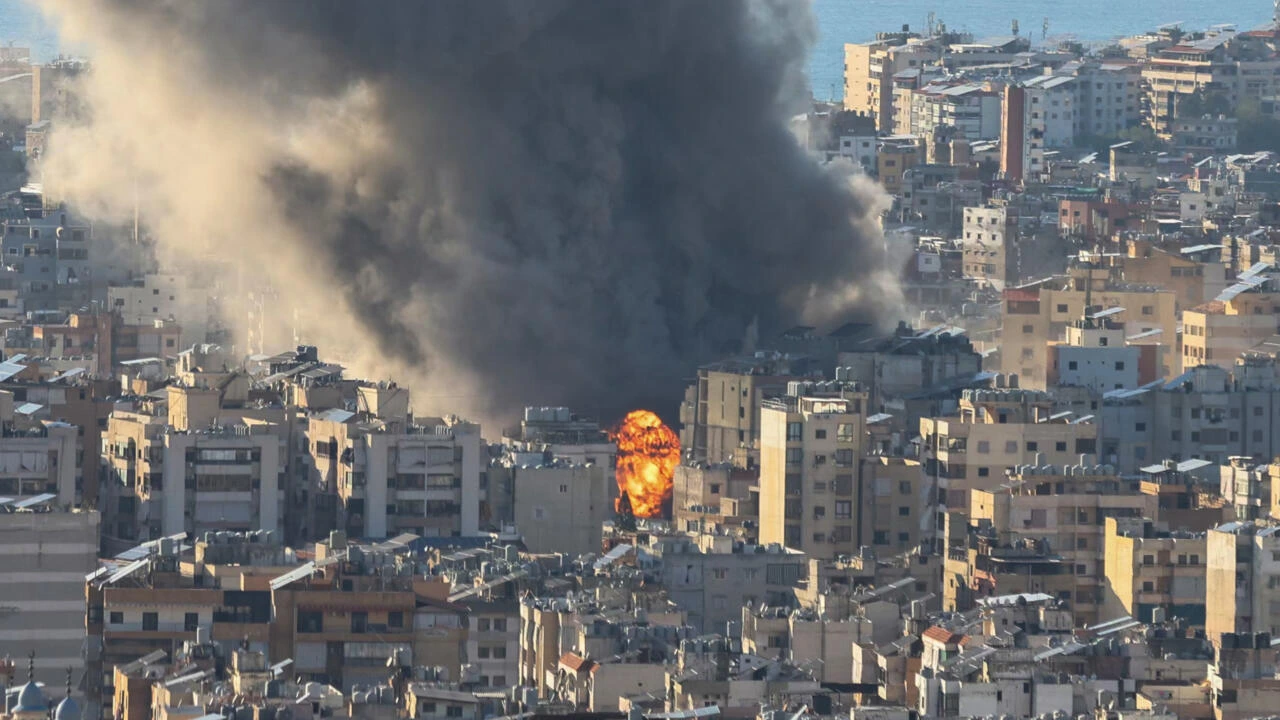
This past weekend, air strikes hit several oil storage facilities in Iran. At the same time, Iran began launching swarms of drones targeting energy facilities in the Gulf states. Two of these drone attacks were intercepted by Saudi Arabia overnight. Insurers are nervous about the potential impacts of the conflicts on shipping and have increased rates, resulting in increased costs for shipping companies.
Impacts on Global Share Markets
Global share markets posted heavy losses, and with them, the price of oil continues to increase. Japan’s Nikkei fell by more than five percent and South Korea’s index fell by six percent. In the West, the S&P 500 and the FTSE 100 also posted heavy losses. Analysts suggest that the price of oil impacts the energy economic forecast, resulting in increased costs in the short-term, which will force central banks to revise their forecasts of interest rates.
Ex-President Donald Trump defended the short-term oil price impacts on the economy by claiming they are inevitable for long-term economic and social safety. Economists are concerned about the price inelasticity of demand for oil priced at $150 per barrel. Consumers will stop purchasing goods and services that are not necessities, creating a recession.
Obstacles to International Trading Pathways
The release of 300 million barrels of oil could mitigate price increases, but this amount is still less than 3 days of total global consumption. Experts also point out that releasing reserves does not address the problems of physical movement within the Gulf. Tankers still face missile and drone threats when passing through these risky areas.
As G7 Support Energy Supplies talks progress, Asian countries continue to be the main consumers of Gulf energy. Some US gas tanker ships have already started to change their routes to Asia instead of Europe. Now the world watches and waits for the G7 to take action about the emergency stockpiles. Vulnerability to the global economy is increasing with each new event occurring in the Middle East.
For More Updates
To keep up to date with the latest on global relations, please check our website