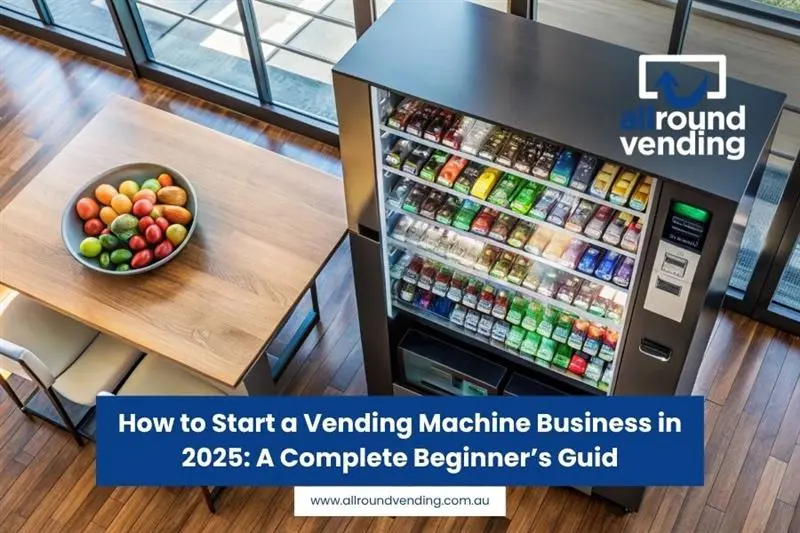
Starting a vending machine business is a relatively straightforward and accessible way to start a small business with low overhead and the potential for passive income over time. Vending machines give business owners the luxury to stay hands-off for large portions of the business, as the machines will be working for them 24/7. The potential clientele is also quite broad, as vending machines can be placed in schools, gyms, offices, and even hospitals, just to name a few. Knowing how to start a vending machine business goes further than buying a vending machine. Research, Strategy, and Management will be crucial to launching any profitable vending machine business.
Operating a vending machine business will require both operational and business management to be successful. Selecting the best products for the machines, placing the machines in high traffic areas, and performing regular maintenance on the machines will allow you to create a vending business that will be successful and grow over time. In this guide, we will explore how to start a vending machine business, as well as provide insight on how to be successful for many years to come.
What are the advantages for starting a vending machine business?
The idea for starting a vending machine business is appealing for a number of reasons. For one, vending machine businesses have low startup costs when compared to starting a retail business. You can run a vending machine business without needing to hire employees, take on utilities that a retail business would have, or buy a lot of inventory as vending machines are stocked for you. Retrofitting vending machines is a simple way to enable business diversification as vending machines make money during hours that you may not be at work.
There are also a number of other benefits to vending machines; for example, once you learn how to run a vending machine business you can easily teach yourself how to scale your business model.
There is a lot to be said for research and planning when starting a vending machine business. Market research is the first step as it will form the foundation for the entire vending machine business. Identify market opportunities and assess the demand for desirable vending machine products to accurately position your vending machine. Consider if your vending machine will be more successful in a retail business or a service-based business, and ensure to include your research in your planning.
Planning includes developing a reasonable budget, determining expenses to open the business, and estimating revenue. Examples of expenses include machines, products to sell, location costs, and upkeep. Business planning organizes your thoughts and lays a foundation for potential growth, so your vending machine business is viable and profitable for years to come.
Deciding which Vending Machine to Select
After devising a plan, the subsequent fundamental consideration of how to begin a vending machine business is determining the type of machine. Consider the location and audience to decide which products to sell. In typical consumer environments, such as office buildings, schools, and hospitals, traditional snack and drink machines do well.
At gyms and fitness centers, profit can be gained from healthy vending machines that provide items such as protein bars, water, and nuts. Also, you can opt for specialized machines that sell coffee and frozen food. Such machines demand higher maintenance and initial costs. Right machine choice minimizes unsold products and increases sales.
Determining Optimal Placement
Identifying ideal locations is extremely important for starting a vending machine business; because even the best machine will underperform in a low-traffic area. The best locations include corporate offices, schools, hospitals, and transit hubs, because their foot-traffic is consistent and their visibility is high.
Property and vending machine owners will negotiate contracts, and some may opt to split profit margins, charge a flat monthly hosting fee, or vent their own preferences, in exchange for hosting vending machines on their property. In addition to discussing vending machines with property owners, it is valid to observe foot-traffic accessibility and assess competition before selecting leasing vending machines. The ideal places positioned as prime locations to reach customers are the prime places for future vending machines in the growing demand for vending machine business.
Purchasing and servicing vending machines
After determining the relevant product types and locations, the next phase in starting a vending machine business is purchasing vending machines. Based on these factors, vending machine selection features will consider their budget. It is essential to consider high sales volume projections, product versatility, and vending machine features such as low cash payment.
Success is highly dependent on effective maintenance. Machines must be clean, working, and adequately stocked. Consistent maintenance on mechanical components can save on down time, which can lead to loss of sales and dissatisfied customers. Some operators remotely access sales and inventory through specialized software. This allows them to respond and restock to prevent inventory shortages.
Inventory and Product Strategy
A vending machine business is highly dependent on inventory management. An operator must ascertain what products sell in the chosen location before starting a vending business. Observe sales over time, replace products to maintain freshness, and be sure to have a stock of high selling products.
Prices should be competitive, but still turn a profit. Items priced lower than competitors will soon be disregarded. Regularly adjust the price of high selling items to maintain sales in line with demand. A strong selection of products directed towards your audience will improve customer satisfaction and promote branding.
Marketing and Customer Engagement
Self-service vending machines can provide further function and service with good marketing. To increase foot traffic alongside the machie, make it remotely accessible and easy to use. To promote customer return, advertise on social media and offer products that correspond with holidays.
Customer engagement can also mean working with property managers to facilitate exposure for your machines across their networks. These approaches help secure sales, and deepen your business’s foothold in high-value marketplaces.
Financial Management
To sustain your vending machine business in the long-run, you must secure financial sustainability. This starts with managing the core business model (expenses and revenues) on a machine-specific level, factoring in the costs associated with acquiring and maintaining machines, product restocking, site rentals, insurance, and licenses.
Ongoing financial assessments uncover site-product combinations that maximize profitability, identify necessary adjustments to your product mix and pricing, and highlight opportunities for business reach (or profitability) growth. Revenue optimization through effective financial management can help you scale your business from hobby to an enterprise.
Benefits of Vending Machine Businesses
There are a number of reasons to start a vending machine business. Businesses of this type require a low staff input, and the model provides great vertical and horizontal flexibility (both in site and time of operation). With vending machines, business owners have the opportunity to generate passive income. Vending machines can also be based in a wide range of locations, helping owners gradually scale their business. There is also the great opportunity to remain relevant and to grow in the future due to the ability to respond to changes and trends. This includes the adoption of cashless payment systems and the provision of healthier products.
Conclusion
Starting a vending machine business requires a considerable amount of planning, research, and consideration of the best locations. Other important steps include selecting the best type of vending machine, product selection, maintaining the vending machine, and tracking the financials.
With an effective system to track these steps, a vending business is capable of bringing a vending business owner a significant amount of residual income, the ability to expand easily, and the chance to scale the business more and more. Knowing how to start a vending machine business will prepare you for the experience of a profitable and a sustainable business.
Starting a Vending Machine Business FAQs
How much will it cost to start a vending machine business?
Starting a vending machine business will cost between \$1,500 and \$10,000 to start, largely depending on the type of vending machine and the initial product inventory.
Can I do this business part-time?
Yes, you can do this business part-time, since a vending machine will only require you to check it a couple of times a day, both in the morning and in the afternoon.
What products are the best sellers?
Protein bars, water bottles, soft drinks, and snacks are products consistently seen to perform well in vending machines.
Do I need to have a license to run a vending machine business?
You will need a license to run a vending machine business; however, this will vary depending on your area. If you operate a vending machine that sells food, you will need to obtain a business license, a tax license, and a food permit to operate your vending machine.
Q5: How many machines should I start with?
A: Starting with 2-5 machines is most common for beginners and is manageable for testing locations and product performance. You can expand as you gain experience.