



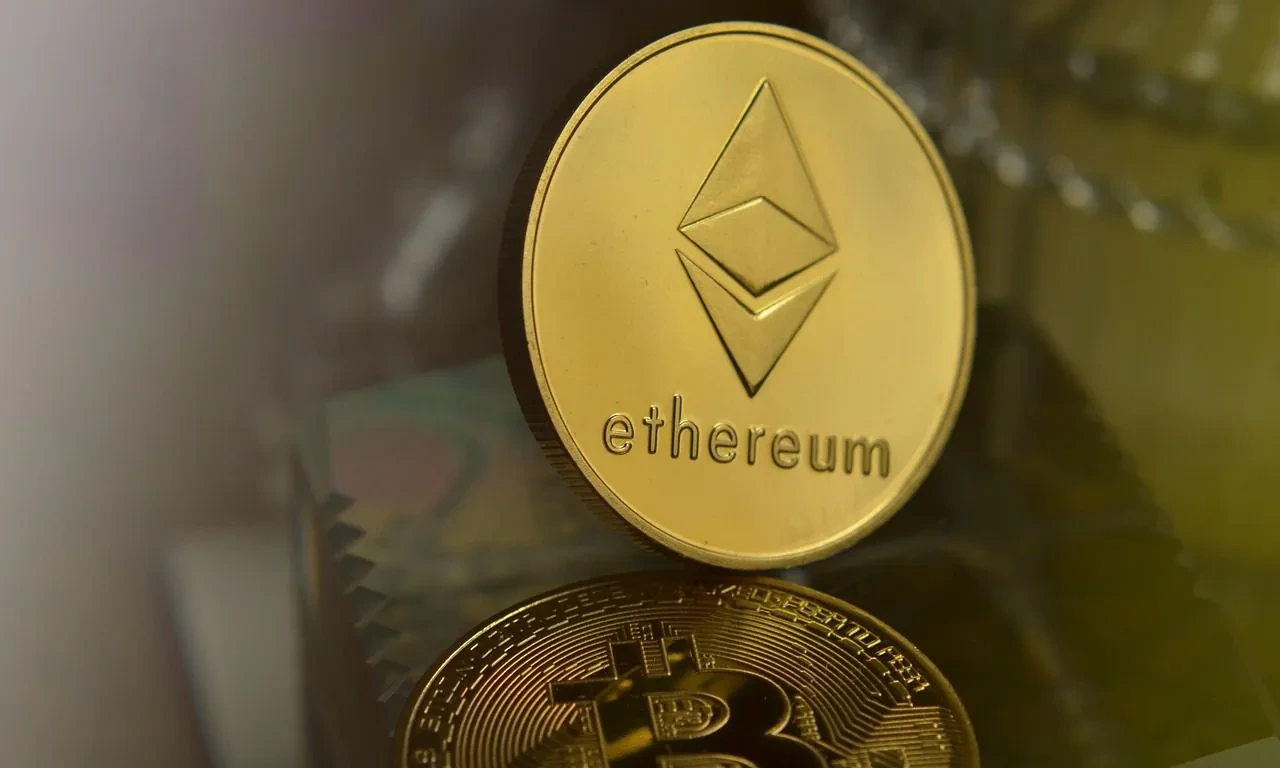
Ethereum (ETH) is one of the longest-standing crypto assets which supports a considerable segment of DeFi, stable coin transactions, on-chain trading and tokenized assets. This status makes it a typical central holding for the majority of crypto investors, however, it is still a high volatility and high uncertainty assets which can suffer devastating drawdowns.
The question of whether ETH is a good investment is dependent much less on the hype, and much more on your time horizon, your risk capacity, your investment thesis, and how you choose to manage custody and position size. This guide goes through the different factors to consider before investing.
This is a general overview and not personal investment advice.
What is Ethereum (ETH) and what is the rationale behind the value attributed to it?
Ethereum is a versatile blockchain technology that is capable of executing smart contracts, which are self-executing programs that can manage and transfer value without the use of a traditional third party. The Ethereum native cryptocurrency, ETH, serves the following purposes:
- Paying transaction fees (or “gas”) on Ethereum and the Ethereum ecosystem
- Network security through staking (since the Ethereum blockchain is running on proof-of-stake consensus mechanism)
- Providing value in DeFi, through collateral, liquidity, and settlement
Simply put, the value of ETH is generally a function of:
- The need to access Ethereum-based services and systems.
- The value of ETH in terms of the economic/security base of the service/system.
The Bull Case: What Makes Ethereum a Promising Investment
1) Network Effects (Adoption + Developers)
Ethereum is a classic case of positive “network effects” where there is a large number of participants, in this case, developers, applications, infrastructure, and standards (ERC-20, for example). In technology deployment/technology-based implementation, the network effects are experienced in a sustainable way, although this is not guaranteed.
What to look out for:
- Increase in developer activity and application usage
- Sustained importance of stablecoins, DeFi, and tokenization
2) ETH’s Role in Staking and Security
The Ethereum altcoin, ETH, is used as a security mechanism for the blockchain. Individuals who stake ETH receive the benefits of staking, which, although it is not a risk-free activity, is often referred to as “yield.” Thus, this may make ETH attractive for long-term holders.
Risk Involved in Staking:
Staking brings in additional risks that can be outlined by slashing, risk of smart contract liquidation, and risk of exchange/custodial loss.
3) Fee Burn (EIP-1559) & Supply Dynamics
Part of the fees are burned. On periods of high transactions, ETH can be net deflationary, meaning that its supply is decreasing.
Important aspects to monitor:
- Network activity and fees, as transactions are what fuel the burn.
- Sustained periods of negative burn minus issuance.
4) Position of the “Base Layer” in a Multi-Layered System
Ethereum is progressively becoming a settlement/security layer, while L2 takes cheaper transactions. Many investors see this as a positive and an endorsement of Ethereum’s ‘base-layer’ role.
Discussions to be had:
- L2’s offer improved scaling, however, it is believed that this can also lower fee revenue on L1.
- L2 addition is seen as a negative by some, with the belief that it will decrease overall ecosystem adoption. Ethereum will lose its core settlement value.
The Bear Case: Why Ethereum Might Be a Bad Investment for Some
1) Drawdowns & Volatility
Ethereum can demonstrate a high level of volatility, and can drop by large percentages (greater than 50%).
If these circumstances would prompt you to sell, you will be subject to where your risk profile does not accommodate your standards.
2) Regulatory and Policy Uncertainty
Regulations are not uniform and change rapidly regarding:
- Exchange and custody arrangements
- Staking
- Market structure and their related disclosures
Regulatory shocks lead to alterations in prices, access, and liquidity.
3) Smart Contract and Ecosystem Risk
While Ethereum is secure, many losses in the crypto space occur due to:
- DeFi protocol failures
- Bridge hacks
- Phishing
- Wallet drains
- Failures of intermediaries (centralized)
Even if ETH is sound, your implementation (where and how you hold/ use it) is of utmost importance.
4) Competition and Technology Risk
Other layer 1 and 2 solutions compete on fees, user experience, throughput, and developer experience. Ethereum has momentum, but these environments are volatile.
5) Value Capture Uncertainty (Fees, MEV, L2 Economics)
The anticipated long-term outlook of ETH is dependent on how the value of ETH (through fees, staking, collateral) is interpreted — the correlation remains, but is not straightforward.
ETH in your Portfolio
Here is a quick framework to help you decide.
1) Time Horizon
- 0-12 months: Generally speculation, as price cycles are likely to dominate.
- 3-7+ years: Ecosystem compounding plus broad-based adoption is likely to offer a more defined investment thesis.
- 2) Risk Capacity (Not Just Risk Tolerance)
Consider: “If ETH drops 60% this year, would my finances still be okay?”
If the answer is “no”, the position is likely too big.
3) Your Thesis (Write It In One Sentence)
Examples:
- Ethereum is going to be the dominant settlement layer for on-chain finance.
- I want exposure to smart contract adoption and staking.
If you cannot sufficiently complete your thesis, there is a greater chance that you will panic sell.
4) Entry Strategy
Typical strategies include:
- DCA (Dollar-Cost Averaging): lessens timing risk.
- Lump sum: a riskier option psychologically, but is likely to outperform during strong uptrends.
5) Custody Plan (This is Big)
- Increased Security: combine a hardware wallet and some basic operational security to improve your security.
- Increased Convenience with Higher Risk: leave funds on an exchange.
Learn about phishing, wallet hygiene, and custodial risk for a lower risk.
6) Staking – Make A Decision
Staking can be a way to make additional risk but also provides a way to make an additional return.
- Direct Staking: The ability to have more control, but require more set up.
- Liquid Staking: Introduces new risks because of smart contracts and the ability to become unpegged, but provides more flexibility.
- Exchange Staking: The simplest option, however, this comes with a risk of a custodian.
7) Staking and Trading – Taxes and Fees
Depending on your jurisdiction:
- Staking rewards become taxable income.
- Capital gains triggers may be a risk for trading.
- Fees cause concern and become an issue, specifically, if you frequent on-chain movements.
Mistakes People Commonly Make When Purchasing ETH
- Purchasing ethlike over-allocating equity “feels safer than other coins”
- Purchasing an asset without a plan, then selling during a drawdown
- Not paying attention to custody/security (phishing is extremely likely)
- Not understanding the difference between a good technology and a guaranteed price appreciation
- Not understanding the downfalls of taking leverage (liquidations are a major wealth destroyer)
Get Practical “Investor Metrics” to Track
You’re not allowed to have 50 dashboards. The following is suggested to track:
- Yield and staking participation
- Network activity (addresses, transactions-active, although not very effective just busted ass)
- Currency net (fee burn vs issuance)
- L2 (total ecosystem expansion) adoption
- Macro factors, liquidity, and risk on/risk off
Is it wise to invest in Ethereum
A wise investment in Ethereum is possible if:
- You are able to withstand a high volatility and
- You have a long, multi-year thesis
- You know how to control your custody and the size of your position and
- You know the ecosystem and staking risks
A bad investment in Ethereum is possible if:
- You require more stability
- You are likely to sell in a panic during a substantial drawdown
- You are putting in an investment that you will require in the near future and
- You are not relying on short-term fluctuations in the price.
Frequently asked Questions
How does Ethereum differ from Bitcoin when it comes to investment opportunities?
Being deemed a “digital gold” means that Bitcoin is classified as a monetary asset whereas Ethereum is classified as an asset associated with a programmable platform that is linked to on-chain apps, fees, and staking. There is an overlap in the risk profiles, although ETH is more closely associated with the use of apps and ecosystems.
Will Ethereum ever reach zero?
With Ethereum’s adoption, infrastructure and developer adoption Ethereum going to zero is very unlikely, however there are realistic large losses, regulatory risks, ecosystem risks and multi year under-performance that may be decreased from its current situation.
Is it worth staking ETH?
ETH staking will likely increase your expected returns however there are additional risks, some of which may include smart contracts, custody risks and illiquidity lock ups depending on the method of staking. In order to answer this question, you will need to consider your risk tolerance related to those variables and your expected time frame.
If most transactions occur on Layer 2s, will Ethereum still be a good investment?
Some view the role of Ethereum in settlement in a positive light, however, some have concerns about the fees that are associated with the role of Ethereum in settlement, the role Ethereum plays in the ecosystem and the use of Ethereum as a means of payment and its impact on the utilization of Ethereum as a means of payment. If you are investing in ETH, it will be to your benefit to be aware of currency beliefs and observe the state of Ethereum’s economics.
How much ETH should a beginner buy?
There’s no specific number here. A basic rule is: only allocate what you can afford to lose, as in, if that money disappears due to a market crash, your life would remain unaffected. Many people start with small amounts and then scale in using DCA.
For More Updates
To keep up to date with the latest on global relations, please check our website.