The International Energy Agency and 32 member countries have made a historic agreement. They will release 400 million barrels of crude oil. The unanimous deal will also allow them to release oil to ease the impacts of the effective closure of the Strait of Hormuz.
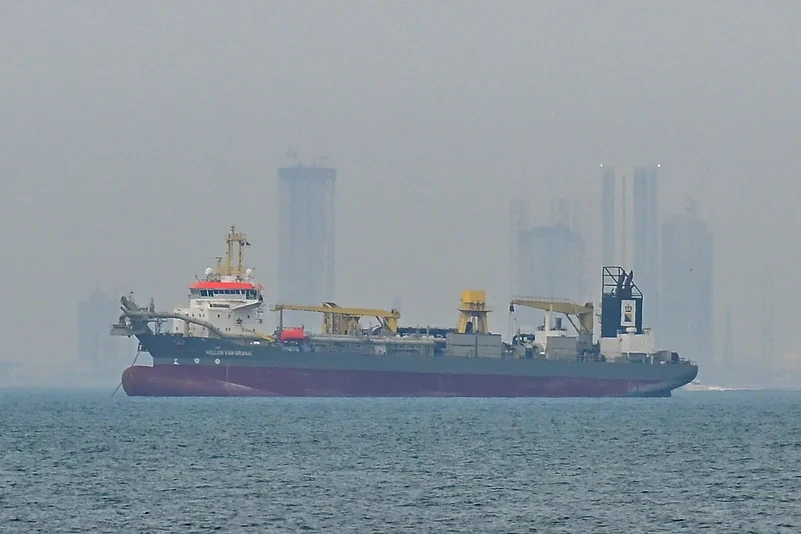
Multiple incidents of commercial vessels being attacked by unknown projectiles has made the Strait of Hormuz very dangerous. Most recently the U.S. military reported the destruction of 16 Iranian vessels that were attempting to lay down mines in the Strait of Hormuz. This agreement to release reserves brings the calming of apprehensive investors to the forefront for the first time.
Producers Seek Alternatives to the Gulf
Saudi Arabia has begun renewing its East-West Pipeline to facilitate the evacuation of crude oil. This pipeline, at 750 miles in length, enables the oil to be exported to Red Sea terminals thus bypassing the Strait of Hormuz. Saudi Aramco has also reported that their oil output is being increased to the maximum of 7 million barrels per day.
Crude oil from Abu Dhabi has once again been diverted to the Gulf of Oman. Still, these alternatives cannot accommodate the entire volume of typical Gulf trade. Analysts argue that the new pipelines have the capacity to secure less than 50% of what the strait transport. So far, Iraq and Kuwait have begun reducing their production.
An Immeasurable Number of IEA Emergency Measures
Describing the current situation of the market, IEA executive director Fatih Birol said the measures are “unprecedented in scale”. This is the sixth time in history that the agency has coordinated such a release. 400 million of the 1.2 billion of the barrels in public emergency stocks is a significant wash of oil.
The EU and USA will participate in the release of oil over a time period that best meets the needs of each of their countries. The collective release will act as a counterbalance to the volatility that comes from the current hostilities in Iran. The leaders of the energy sector worldwide hope that a release of this volume will prevent a complete collapse of the economy.
Regional Interpretations of Conflict across Middle Eastern Nations
Despite the efforts made by energy diplomats to contain price fluctuations, the militaristic tendencies of states continue to spiral out of control. Recently, Iran has made military aggression towards Saudi Arabia, the United Arab Emirates, and Kuwait. Furthermore, a drone attack near an airport in Dubai resulted in four injuries, and whilst the drone attack occurred, the airport remained busy. Additionally, Israel has commenced new military campaigns in the capital of Tehran and in the central region of Beirut.
The strikes that targeted civilian structures in Lebanon have left the population in a state of ‘absolute shock’. The people of Iran have losing their access to a sufficient supply of food. Rising costs accompany military conflict. The dismantlement of critical infrastructure in the region adds to these costs. The world now anticipates to see if the unprecedented release of oil reserves was agreed to today. The world wants to know if it is sufficient enough to shield the economy of the entire world from the impending regional war.
For More Updates
To keep up to date with the latest on global relations, please check our website