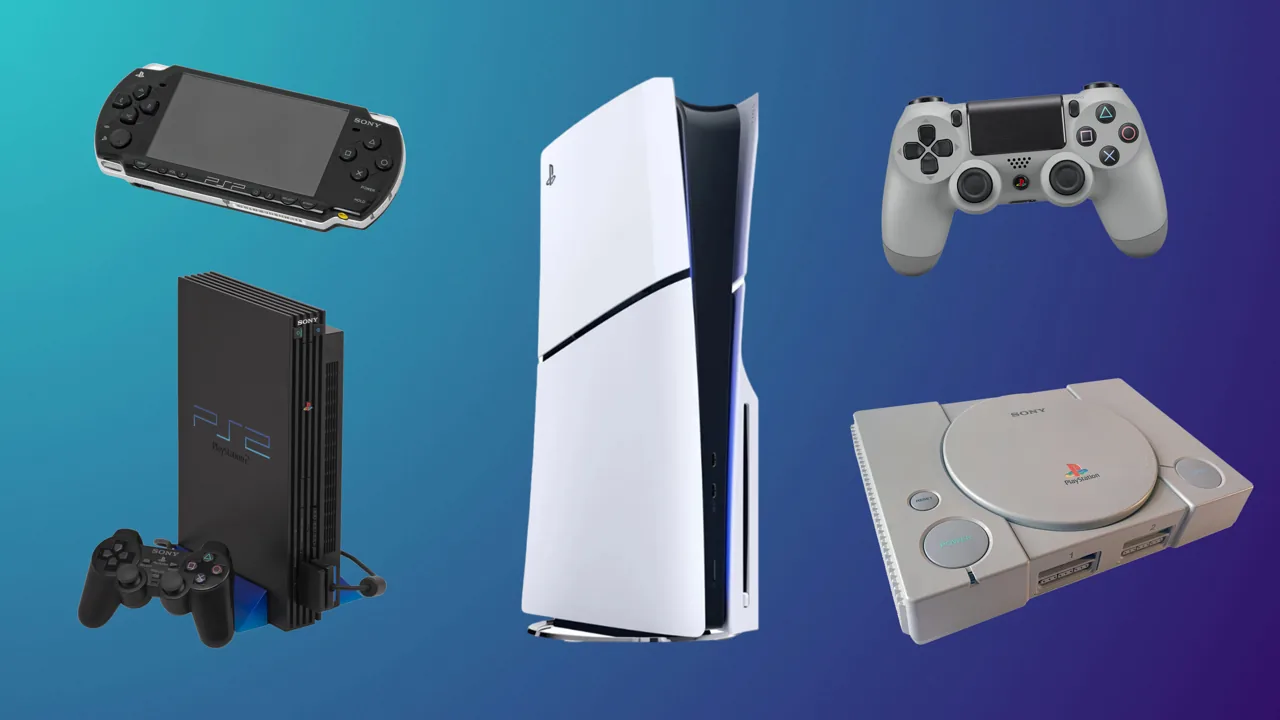
Sony PlayStation Platform Business is among the most powerful segments of the gaming and entertainment industry. Having first launched in the mid-90’s and solidified its place among competitors by creating a multibillion-dollar ecosystem through strong partnerships and investments in technology. Over the years, Sony developed strong market positions by diversifying their offerings through investments and acquisitions in digital game solutions, online services, and global market expansion. Today, Sony competes with all major entertainment and game developers as well as cloud-based gaming services and digital entertainment solutions. Traditional gaming consoles no longer represent the breadth of competition Sony faces.
What is Sony Playstation Platform Business?
Similar to other ecosystem-based products, PlayStation creates value by enabling various stakeholders to interact with the platform. PlayStation, developed by Sony Interactive Entertainment, provides an integrated ecosystem across all hardware and software products, digital services, and global structures by connecting players and game developers. Sony’s value generation extends beyond the traditional product businesses by creating value through digital game transactions, subscription services, fees for embedded advertising, and licensed add-on content, as well as DLC (digital content).
Tools, technology, and data have all improved since the first PlayStation, allowing for seamless integration and engaging customer experiences. Since the PlayStation is housed within the Sony ecosystem, continuous innovation improves and enhances the user experience, which results in strong brand loyalty and engagement. Users become part of the PlayStation Network and interact with other users through gaming, while also becoming bonded with Sony’s platform through purchasing and streaming, as well as through the community features. This will fuel customer retention and create the brand customer loyalty that Sony will maintain for years to come.
Examples of business strategies include:
- Investing in and acquiring exclusive partnerships and gaming IPs for exclusivity
- Implementing subscription services and direct digital distribution to create consistent revenue
- A focused global approach with localized strategies for individual gaming markets
- Investing in technology for platform advancements and digital ecosystem enhancements
- A focus on global localized strategies for gaming partnerships and acquiring gaming IPs
Evolution of Sony PlayStation as a Platform Business
Sony has developed from a gaming hardware manufacturer into a pioneer in full-scale platform business integration, allowing for Sony’s strategic innovation and adaptability within the marketplace. The original PlayStation focused on hardware and physical copies of games; however, as the industry shifted to more digital offerings, Sony adapted and evolved to become PlayStation.
With the launch of the PlayStation 2, Sony diversified its consumer base with the console’s additional features, including DVD playback. The PlayStation 3 introduced online gameplay and the PlayStation Network for digital purchases, a foundation that evolved through the PlayStation 4’s fully integrated digital downloads and subscriptions, and continues with the PlayStation 5’s support for cross-play, cloud gaming, and live services.
The primary accomplishments in the advancement of Sony PlayStation’s software and services include:
- The shift from physical copies of games to digital downloads
- The launch of the Sony PlayStation Network (PSN) and the introduction of online gaming
- The first use of subscription services with PlayStation Plus
- The creation of first-party studios to make exclusive titles
- The use of cloud and streaming services
Sony PlayStation Business Model Explained
The Sony PlayStation platform business is built on a hybrid revenue structure that combines hardware sales with high-margin digital services. While consoles are sometimes sold at low margins, Sony generates significant profits from software sales, subscriptions, and in-game purchases. This platform-based model allows Sony to monetize user engagement over the entire console lifecycle.
An important aspect of the PlayStation business model is its revenue-sharing model with its third-party developers and publishers. For every game, downloadable content, or microtransaction sold on PlayStation, Sony takes a cut. Furthermore, to acquire exclusive titles that entice consumers and drive platform adoption, Sony spends a considerable amount of money to acquire first-party studios.
Some of the key elements of the PlayStation business model include the following:
- Hardware sales, which serve as initial market entry points.
- Sales of digital games via the PlayStation Store.
- Subscription services, such as PlayStation Plus and PlayStation Now.
- Revenue from third-party publishers, which is via licensing.
- Revenue from microtransactions and DLC.
Revenue Streams of Sony PlayStation Business
The Sony PlayStation platform business offers a variety of income streams, which makes it both scalable and resilient. Although the initial hardware sales draw consumers into the ecosystem, the largest sales revenue from PlayStation now comes from digital sales, indicative of a global change towards digital and recurring revenue streams.
PlayStation Plus, which is a subscription service, offers consistent revenue streams, while the digital store sales provide a high income for PlayStation. Furthermore, Sony generates revenue from game DLC, season passes, and live services, as these provide ongoing revenue streams after the initial game sales. Additional revenue streams for the business include advertising, partnerships, and game licensing.
Primary revenue sources can include:
- PS console hardware revenue
- Digital and retail game revenue
- Subscription funnels via PlayStation Plus
- Revenue from DLCs and microtransactions
- Revenue from licensing and publishing third parties
Role of PlayStation Network in Platform Growth
The PlayStation Network is the core of Sony’s System company. It brings together millions of people and is the basis of online commerce, online play, and social and cloud services. With the PSN, PlayStation is more than a console; it is a platform that livens up an ecosystem that Sony can modify and upgrade indefinitely.
One of the most important aspects of Sony’s ecosystem is PSN’s ability to accumulate user-level data to optimize customization, advertising, and services. Additionally, PSN supports all the necessary features of a modern game ecosystem, such as hardware agnosticism; players can create accounts on different devices and consoles and carry their content. These features increase engagement and, most importantly, customer retention, a core element to the long-term success of the ecosystem.
The PlayStation Network is characterized by:
- Social and community engagement
- Digital store and content distribution
- Cloud storage and account services
- Online multiplayer
- Cross-device and console compatibility
The Strategic Role of Exclusive Games in the Sony PlayStation
One of the most strategic aspects of PlayStation’s platform business is its exclusive games. When investing in multiple first-party development studios, Sony can control the production of high-quality games that are exclusive to its console. This feature clearly distinguishes PlayStation from the competition.
Exclusive titles also foster customer engagement and loyalty towards a platform. Users are likely to stay within the PlayStation ecosystem when they invest their time and money into exclusive franchises. As a result, Sony places a greater emphasis on the sustainable brand equity of exclusive IPs over a single sale.
The Positives of Exclusive Titles Are:
- Clear Differentiation
- Higher Sales of Consoles and Subscriptions
- Valuable Long-term Franchises
- Greater Engagement, Retention, and Reputation
Sony PlayStation Platform vs Competitors
The console and gaming service industry is highly competitive, led by Microsoft, Nintendo, and new entrants in cloud gaming. Sony PlayStation stands out with its premium offerings, a well-established brand, and its comprehensive hardware and software offerings. Whereas competitors offer services or portable consoles, Sony focuses on creating immersive gaming experiences.
Sony maintains a strong market position by prioritizing ecosystem value over aggressive pricing. Competing technologies and exclusive titles allow PlayStation to stand out in a competitive marketplace.
Sony PlayStation has a solid competitive advantage due to:
- A robust catalog of first-party titles
- World-class market awareness
- Cutting-edge gaming hardware
- A highly engaged and enthusiastic customer base
- A cohesive app ecosystem
The Future of the Sony PlayStation Platform Business
The expansion of the sony playstation platform business will move beyond the realm of standalone consoles. Sony has plans to develop cloud gaming, live service, mobile gaming, and gaming and movie crossovers to capture additional market segments and revenue opportunities.
PlayStation’s platform strategy will also be impacted by emerging technology (ex. VR, Artificial Intelligence, and Cloud Computing). PlayStation’s adaptation to the emerging technology while staying true to the brand will determine the legacy it will leave in the entertainment business.
Future growth areas include:
- Gaming in the Cloud and Software as a Service (SaaS)
- Development of mobile and PC systems
- Live services and multiplayer networks
- Virtual reality (VR) and augmented reality (AR)
- Convergence with cinema and television
Frequently Asked Questions About the Platform Business of the Sony PlayStation
What justifies the Sony PlayStation being classified as a platform business?
- The Sony PlayStation business model involves the integration of systems. i.e., hardware, software, and services (digital)
- The ecosystem or meshed market (via apps) supports multiple sides (inter-player and inter-developer) the ecosystem supports multiple sides (inter-player and inter-developer).
- streams of income based on subscription and on-demand sales (digital)
In what ways does Sony profit from PlayStation?
- Sale of consoles
- Purchases of downloadable games
- Subscription services and pay-to-win models
What value do exclusive games bring to PlayStation?
- They drive the uptake of consoles.
- They strengthen loyalty to the platform.
- They enhance the brand value of Sony.
What does the future hold for PlayStation?
- The uptake of cloud games and live services.
- The integration of services across platforms.
- The consistent investment in exclusive games.
Conclusion Remarks
The Sony PlayStation Platform Business represents one of the most successful examples of a digital ecosystem in the entertainment industry. By combining innovative hardware, exclusive content, and powerful online services, Sony has built a platform that delivers long-term value for both users and partners. As the gaming industry continues to evolve, PlayStation’s platform-centric strategy positions it for sustained growth and global leadership.